Best Time Of Day For An Airboat Tour In Orlando
Alligator behavior, Florida weather, and ticket prices all swing with the clock. Here is how to choose between a morning, sunset, or night airboat departure around Orlando.
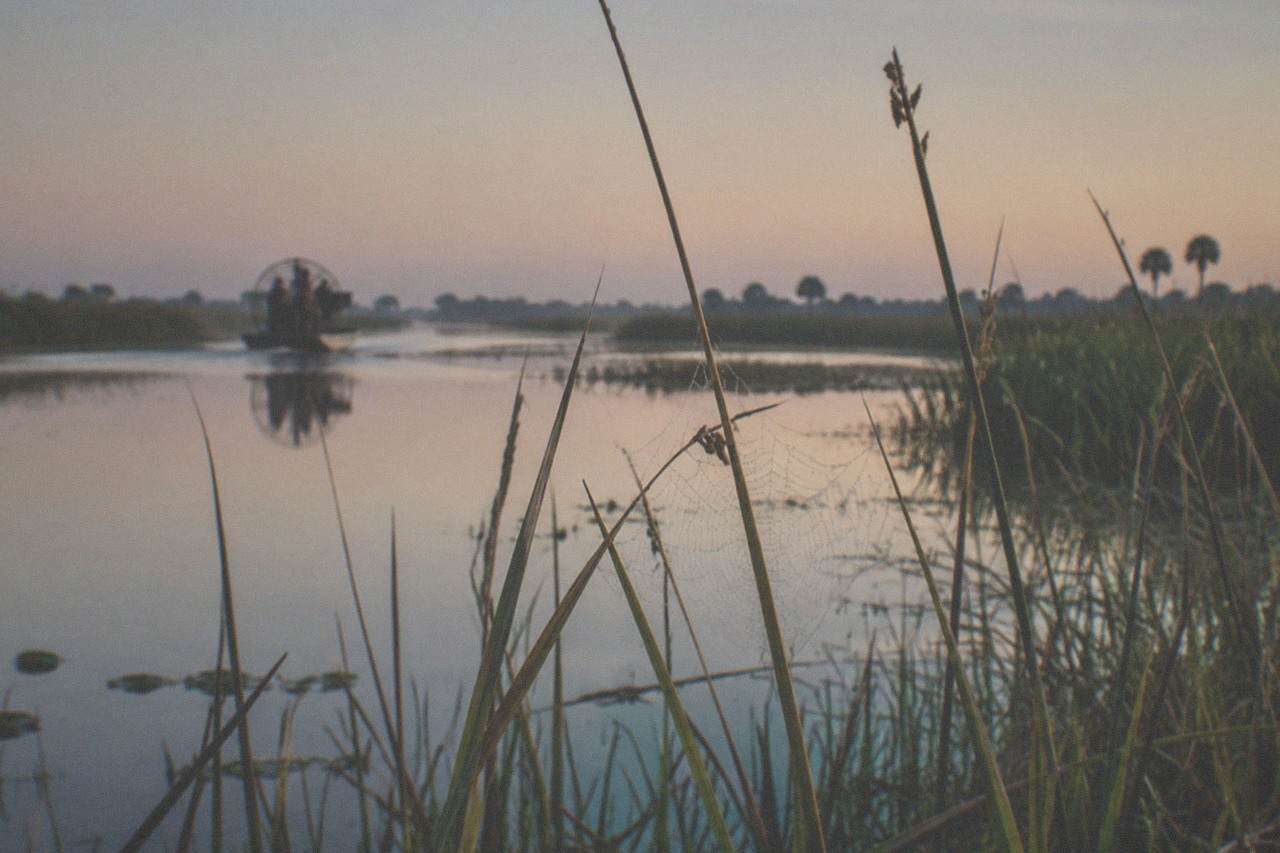
Short answer
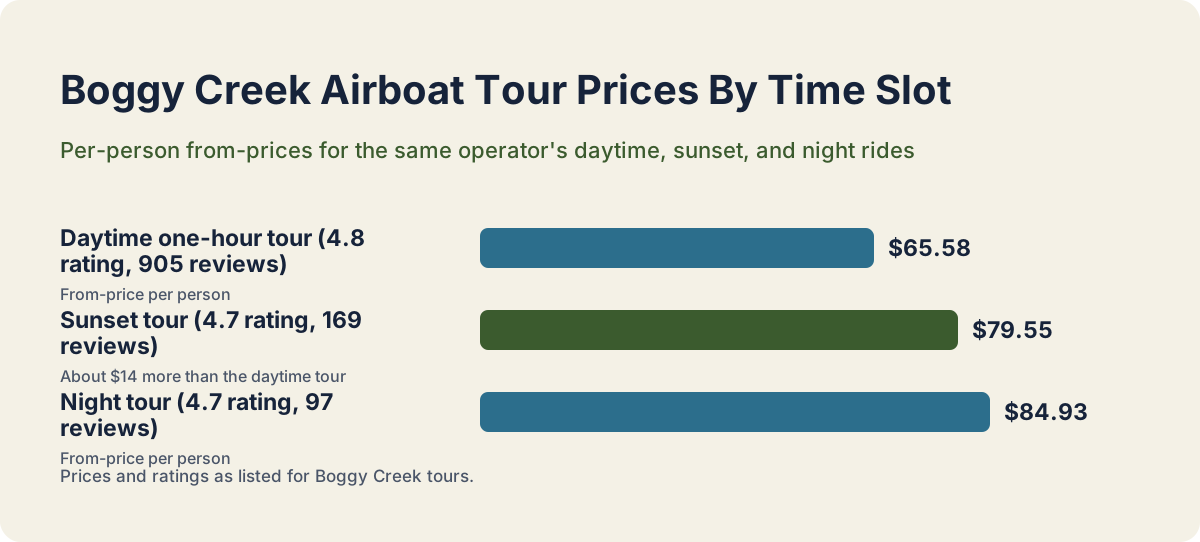
Morning departures before roughly 10 or 11am give the most reliable wildlife viewing and the coolest air. Sunset slots trade some gator activity for golden-hour photography and transitional wildlife, and night rides specialize in eyeshine and nocturnal behavior. On this roster, sunset rides start at $79.55 per person and night rides at $84.93.
The same one-hour route costs $65.58 by day, $79.55 at sunset and $84.93 after dark. See today's sunset departure time before you decide which hour of the day you actually want.
An alligator is an ectothermic animal: it warms itself by hauling out of the water onto sunny banks, and it slides back into shade and deeper water once the afternoon heat builds. That single piece of biology drives almost every recommendation about airboat scheduling in Central Florida, and it explains why captains, wildlife biologists, and tour operators all point to the same early window.
The short version is that morning wins for wildlife, sunset wins for light, and night wins for atmosphere. But the honest answer depends on what you want from the hour: a family with toddlers photographs very differently from a birder with a long lens, and a July booking behaves very differently from a January one. This guide walks through each slot, what changes in each season, and where the price differences actually sit, using the real figures from the tours listed on this site, including the one-hour sunset ride from Boggy Creek, which sits squarely in the most photographed window of the day.
What Is The Best Time Of Day For An Airboat Tour?
For most visitors, a morning departure before roughly 10 or 11am is the best time of day for an airboat tour: alligators bask on the banks while the air is still mild, birds feed actively, and the ride finishes before the afternoon heat and storm risk build. Sunset is the best pick for photography and golden-hour scenery, and night is the specialist choice for eyeshine and nocturnal wildlife.
The three slots serve three different trips, and the roster on this site reflects that split. Boggy Creek alone offers a daytime one-hour tour, a sunset version of the same route, and an after-dark departure, so the timing decision is less about which operator and more about which version of the marsh you want to see. A rider who books the 9am slot and a rider who books the 7:30pm slot travel over near-identical water and see genuinely different worlds.
There is also a practical layer that first-time visitors tend to underestimate: drive time and check-in. Most of the real launch points in this corridor sit 25 to 31 miles from downtown Orlando or the airport, roughly 30 to 40 minutes of driving, and operators ask riders to arrive about 30 minutes before a scheduled departure. A "morning person" booking at 9am means a 7am alarm on vacation. That is worth knowing before you pick the earliest slot on the calendar.
The table below is the short comparison, and the rest of this guide expands each row honestly, including the trade-offs the marketing copy tends to skip.
| Time slot | Strongest for | Main trade-off |
|---|---|---|
| Morning (sunrise to ~10-11am) | Alligator basking, bird activity, cooler air | Early alarm, heavier dew, chillier in winter |
| Sunset (last ~90 minutes of daylight) | Photography, golden light, transitional wildlife | Higher price, weather delay risk in summer |
| Night (after dark) | Eyeshine, nocturnal behavior, atmosphere | Harder photography, insects, later bedtime for kids |
One caveat belongs up front, because every operator states it themselves: wildlife is wild. Sightings on these lakes are common, sometimes multiple alligators in a single pass, but no operator publishes a sighting percentage and none guarantees one. Timing tilts the odds, it does not lock them in.
Why Do Morning Airboat Tours See More Wildlife?
Morning wins because of simple thermodynamics. Alligators are ectothermic, so they climb onto the banks to warm themselves while the air is mild, then disappear into shade and deeper water as the day heats up. Operators and guides consistently point riders toward departures before 10 or 11am, and bird activity peaks in the same window, which is why the early slots do double duty.
The mechanics are worth understanding, because they tell you when the advice bends. A January morning with highs in the 60s keeps alligators hauled out for most of the day, so a midday winter ride can perform nearly as well as a 9am one. A July morning with highs in the low 90s sends gators seeking shade by late morning, and by early afternoon the banks can look empty even when the lake holds thousands of animals. The same logic applies in reverse: a cool, overcast morning can suppress basking briefly until the sun breaks through.
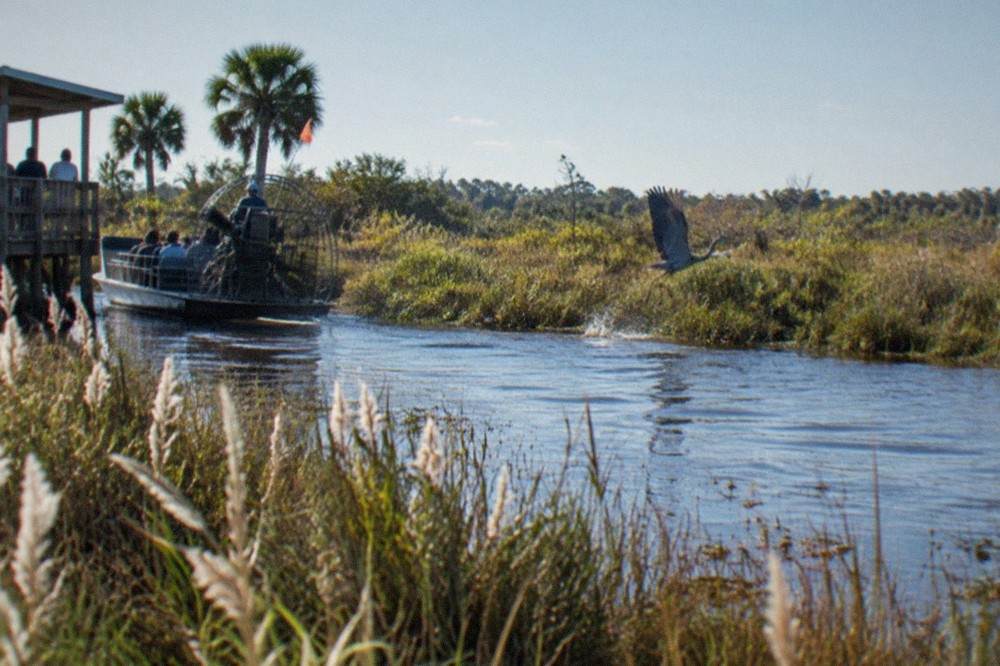
Birders get even more from the early window than photographers do. The lakes around the launch points, Lake Tohopekaliga, Lake Cypress, and the Boggy Creek and Southport marshes, host bald eagles, sandhill cranes, great blue herons, snowy egrets, wood storks, osprey, snail kites, roseate spoonbills, anhingas, and ibis, and most of that activity is concentrated in the first hours of light. The eBird checklist for the Lake Tohopekaliga hotspot is the quickest way to see what has actually been reported on that specific water in recent weeks, species by species, before you book a date.
For a first morning ride, Boggy Creek's daytime one-hour airboat tour is the natural pick on this roster: one hour is long enough to reach the quieter backwater, the listing carries a 4.8 rating from 905 reviews, and the from-price of $65.58 per person sits below both of the same operator's evening options. The one-hour length also matters for wildlife in a way the shorter rides cannot match, since captains can push past the first crowded stretch of marsh into water where animals have not been stirred up by three previous boats.
What the early slot asks of you is honesty about your own schedule. If your family cannot realistically be in a car by 7:30am, a 10am slot in the cooler months still performs well, and forcing a sunrise booking you will miss serves nobody. Check the departure times on the listing for your specific date, because they shift with the seasons and the sunset, not with a fixed annual calendar.
Why Is Sunset The Best Time For Airboat Photography?
Sunset is the photography slot: the low golden light turns the marsh grass amber, the water goes glassy as the day's wind dies, and wildlife shifts between its daytime and nighttime modes, so a single ride can catch herons fishing and the first alligators stirring. On this roster the sunset hour costs from $79.55 per person and carries a 4.7 rating from 169 reviews.
Photographers talk about golden hour for a reason, and a flat marsh benefits from low light more than almost any landscape. Midday sun in Florida is harsh and vertical: it flattens the grass, blows out white egret feathers, and puts harsh shadows on everything with a face. An hour before sunset, the same scene gains depth, the birds' plumage glows instead of clipping, and the reflections on still water double the color in the frame. Riders who book the sunset airboat ride near Orlando are effectively renting the day's best light along with the boat.
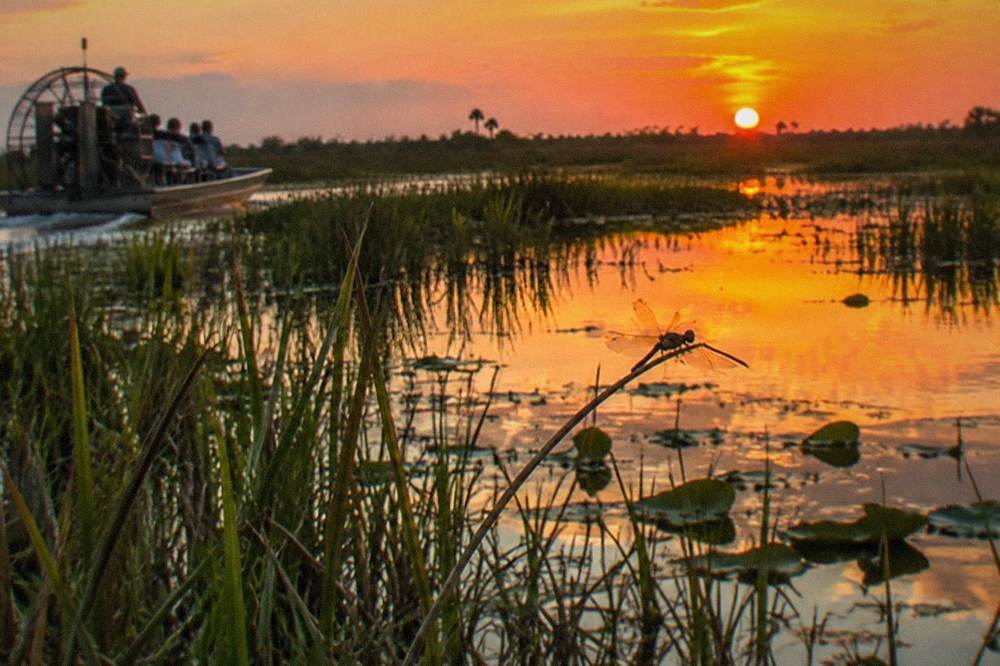
The transitional wildlife is the part first-time riders underexpect. The hour around sunset is a shift change in the marsh: daytime birds make their last feeding passes, alligators that spent the afternoon submerged begin to move and hunt as the water cools, and the first true nocturnal animals start to appear. A sunset ride is not quite a day ride and not quite a night ride, and that in-between character is exactly why some regulars book it over both. If you are weighing it against the after-dark option, the dedicated evening ride is a different product entirely, and the site's guide to Orlando night airboat tours covers that comparison in detail.
The honest trade-offs are price and seasonality. At from $79.55 per person, the sunset slot runs about $14 more than the same operator's daytime one-hour tour, and you are paying for timing, not extra minutes. Sunset times also swing hard across the year: a June sunset ride can start after 8pm while a December one starts closer to 5:30pm, which changes everything about how the hour feels with kids. Winter sunset bookings are genuinely family-friendly; summer ones run late.
The last consideration is crowd behavior. Sunset slots skew toward adults and photographers, and the dock is calmer than the morning rush of theme-park refugees squeezing a ride between attractions. If your priority is a quiet, unhurried hour on the water rather than maximum animal count, the premium is easy to justify.
What Do You Actually See On A Night Airboat Tour?
Night tours specialize in eyeshine and nocturnal behavior. Captains sweep lights across the dark marsh and alligator eyes reflect back in red and gold, often revealing animals that stayed completely hidden all day, and the ride itself takes on a sound-and-darkness atmosphere that no daytime version can copy. Boggy Creek's evening ride runs from $84.93 per person with a 4.7 rating from 97 reviews.
The eyeshine technique is the core of the product. Alligator eyes have a reflective layer behind the retina, the same structure that makes cats' eyes glow in headlights, and against a dark marsh a swept light picks out pairs of red-orange points at remarkable distance. It is a genuinely different viewing experience: instead of a basking animal on a bank, you see pinpoints of light that grow into a set of eyes, then a head, then a wake in the water. Riders on Boggy Creek's one-hour evening airboat ride consistently describe that reveal as the moment the tour earns its price.
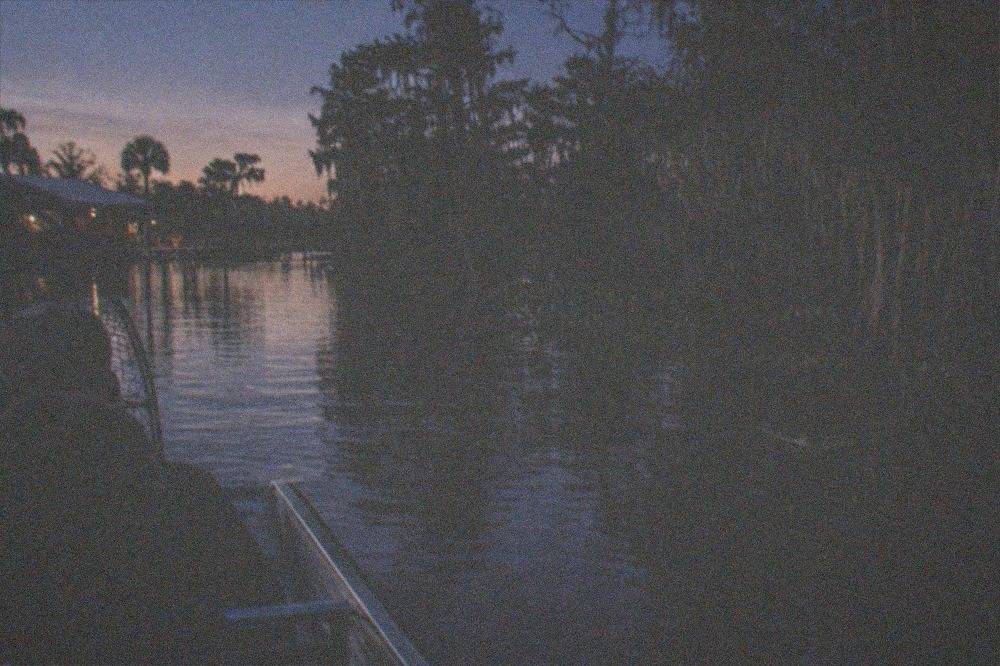
Night is also when alligators feed most actively. The animals that lounged impassively on a bank at 10am are hunting after dark, which means more movement, more wakes, and more of the behavior people actually come to see. The trade-offs are equally real: photography becomes genuinely difficult without fast glass and high ISO, insects are at their worst in the warmer months, and the late start is rough on small children. Night tours are best booked for older kids, teenagers, and adult groups.
Two practical notes belong here. First, Florida law requires every airboat on state waters to carry a mast-mounted international-orange flag, at least 10 inches by 12 inches and flying at least 10 feet above the boat's lowest point, per the FWC's boating regulations summary, and that visibility requirement matters most in the low-light hours when multiple boats share the same marsh. Second, hearing protection is standard equipment on these rides, and after-dark runs feel louder in the quiet, so use what the crew hands out.
Book night only if your group can handle the schedule. A ride that starts at 8:30pm ends after 10pm with a 40-minute drive back to the attractions area, and tired children on a dark dock at 10:30pm is a memory nobody keeps.
How Does The Season Change The Best Time Of Day?
Season shifts the timing answer more than most visitors expect. From roughly November through April, cooler and drier air keeps alligators basking through midday, so later slots still perform. From May through October, and especially during July through September nesting, heat drives gators into shade and water by late morning, so the early slot matters far more in the wet season.
The dry, cooler months are the region's quiet advantage. Guides and operators consistently point to November through April for more reliable viewing, for two stacked reasons: alligators haul out more in mild air to thermoregulate, and lower winter water levels concentrate wildlife into smaller areas of remaining water. The lakes in this chain hold serious alligator populations year-round, with FWC-based estimates putting Lake Tohopekaliga around 5,716 animals and Lake Kissimmee around 16,184, second-highest of any Florida lake. The FWC's alligator harvest program pages are the underlying source for those survey numbers and a useful reality check on just how many animals share this water.
The 2026 water picture deserves one honest paragraph, because it is genuinely unusual. A Florida drought state of emergency was declared in February 2026, and through the middle of the year the Kissimmee chain of lakes ran meaningfully below their regulation schedules. Lower water concentrates alligators and fish into the remaining deeper pockets, which can help viewing, but it also affects route depth in the shallower marshes. Operators are running; nothing on this roster has closed. But if you are booking in a dry stretch and the marsh levels look down, the deeper-water routes and longer tours are the safer viewing bet than the shortest rides.
| Season | Alligator behavior | Best slot to book |
|---|---|---|
| November to April (dry, cooler) | Extended basking through midday, concentrated in lower water | Morning still strong; midday and sunset both perform |
| May to June (warming, wet) | Basking shrinks to early hours; afternoon storms begin | Early morning; sunset if storms clear |
| July to September (peak heat, nesting) | Daytime shade and submersion; defensive behavior near nests | First departures of the day, or night for feeding activity |
| October (transition) | First cool fronts extend basking again | Any slot; morning edges it |
Nesting season deserves a specific caution. From July through September, female alligators guard nests and behave more defensively around them, which is one more reason the early-morning and evening windows, when animals are actively moving rather than defending a spot, tend to produce better viewing than midday summer slots.
What Time Of Day Beats The Florida Heat And Afternoon Storms?
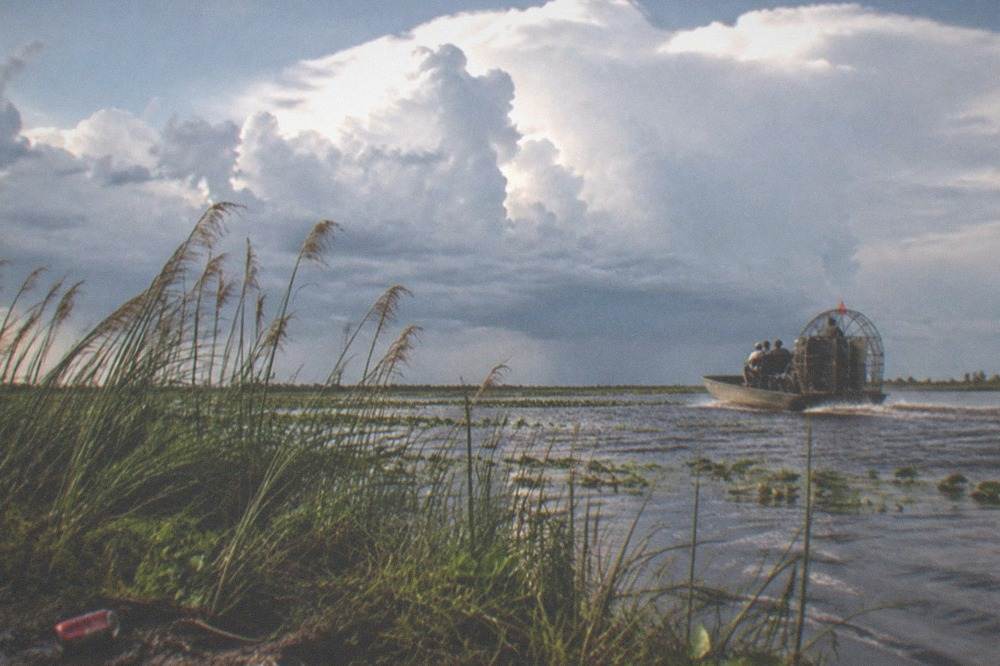
In summer, timing is a weather decision as much as a wildlife one. Central Florida afternoons reliably build thunderstorms, and operators delay or cancel rides for lightning and heavy rain. A morning slot finishes before the storm build-up usually begins, while a sunset or night slot starts after the afternoon cells have typically passed, and both strategies beat a 2pm booking.
The summer storm rhythm in Central Florida is consistent enough to plan around: clear mornings, building cloud and convection after midday, and frequent strong thunderstorms between roughly 2pm and 6pm, followed by clearing after dark. A 1pm or 2pm airboat booking in July is the single worst-positioned slot on the calendar, squeezed between peak heat and peak storm risk. The guide to hurricane season and airboat tours covers the full-season picture, including what happens when a tropical system approaches.
What happens when weather hits is operator-specific and worth knowing before you book. Boggy Creek states that any ride cancelled due to weather is refunded or rescheduled based on the customer's availability, and Wild Florida allows a reschedule or full refund for severe-weather cancellations with a standard 24-hour policy otherwise. In practice, summer delays are common and full shutdowns are rare: a ride pushed back an hour by a passing cell usually still runs, on cooler water, with the day's best post-storm light. Riders holding an evening departure in storm season are, statistically, holding the slot most likely to be delayed and the slot most likely to still fly after the front clears.
Heat is the other half of the summer equation. A dark hull on shallow water in July reflects heat like a griddle, and a 90-minute midday ride in that weather is exhausting for kids and camera gear alike. The morning slots finish by the time the marsh gets genuinely hot, and the sunset and night slots ride the coolest air of the Florida day. For pure comfort between June and September, the two bookend windows are not close: book the first departure or the last one, and skip the middle of the day for a pool or a museum.
What you wear matters more than most riders expect in either season: winter mornings on open water run genuinely cold at speed, and summer needs sun coverage regardless of hour. The site's what to wear on an airboat ride guide breaks down both wardrobes by season and time slot.
Does The Time Of Day Change The Price Or The Crowds?
Time of day moves the price less than format does, but the pattern is real and consistent: the same one-hour route at Boggy Creek starts at $65.58 per person in the daytime, $79.55 at sunset, and $84.93 after dark, a spread of about $20 across the day. You are paying for the light and the wildlife window, not for extra minutes, since all three are one-hour rides.
The roster makes the comparison unusually clean, because the same operator runs all three versions of the same-length product. The full price landscape across the region, including the budget 30-minute options and the combo packages with park admission, is laid out in the site's airboat tour price guide, but the timing-specific pattern is worth seeing on its own.
| Boggy Creek slot | Length | Price from (per person) | Rating |
|---|---|---|---|
| Daytime one-hour tour | 1 hour | $65.58 | 4.8 from 905 reviews |
| Sunset ride | 1 hour | $79.55 | 4.7 from 169 reviews |
| Night evening ride | 1 hour | $84.93 | 4.7 from 97 reviews |
Read that table as a value question, not a quality ranking. The daytime one-hour tour carries the deepest review pool of the three and the lowest from-price; the sunset and night slots carry smaller review pools and a premium of roughly $14 to $19. None of those figures is a verdict on which ride is better, they describe three different products over the same water. If wildlife is the priority, the daytime dollar goes furthest. If the golden hour or the eyeshine reveal is the memory you want, the premium buys the exact hour that product exists in.
Crowds follow the theme-park clock, not the wildlife clock. Morning slots fill with families fitting a ride in before park opening or between attractions, midday absorbs the casual walk-up traffic, and the evening slots skew toward adults. The practical effect is that the dock and the parking area are calmest in the last departures of the day, and the boarding line moves fastest when the marsh does. Free on-site parking is standard at the main launch sites, including at Boggy Creek's Southport Road location, so the pain point is rarely the car, it is the check-in counter at 9am in July.
One last money note that riders often miss: the gate-versus-listing gap. Operator sites list price ranges rather than fixed single prices, and discounted adult rates circulate through resellers on the same dates. The figures above are this roster's real from-prices; whatever day you book, compare the operator's live listing for that date before assuming the number you remember.
How Do You Pick The Right Time Slot For Your Trip?
Match the slot to your priority and your group, not to a single "best" hour. Choose morning for maximum wildlife and family schedules, sunset for photography and a relaxed pace, and night for older kids and adults who want the full swamp atmosphere. Build in the drive, since the launch points sit roughly 30 to 40 minutes from most attractions-area lodging, and plan to arrive about 30 minutes before departure.
Start with one honest question: is this ride about the animals, the photos, or the experience? If it is the animals, book the first departure of the day and take the daytime one-hour tour, whose 4.8 rating across 905 reviews is the strongest track record on this roster for a standard daytime ride. If it is the photos, take the sunset hour and the light it rents. If it is the experience, the after-dark marsh is unlike anything else on a Central Florida itinerary.
Then overlay your group. Small children do best on morning rides in any season and sunset rides only in winter, when the departure happens before their bedtime collapses. Photographers should check the actual sunset time for their travel dates, because a July sunset slot is a very different evening than a December one. Birders should check the recent reports on the lake hotspots for the week of their visit, since species mix shifts month to month.
Finally, overlay the season using the earlier tables, and hold the plan loosely. The full comparison of how the sunset slot stacks against morning and night rides across the year is what this whole guide has been building toward: the best hour of the day is the one that matches the month, the group, and the reason you are on the water. Travelers comparing the region against the state's most famous swamp can also read the site's piece on Everglades versus Orlando airboat tours before locking a date.
The roster at Orlando Airboat Tours is organized by time slot for exactly this reason, so you can move between the morning, sunset, and night versions of the same route and compare them side by side on the live listings.
Common Questions About Airboat Tour Timing
What is the best time of day for an airboat tour?
A morning departure before roughly 10 or 11am is the best all-around slot, because alligators bask on the banks while the air is still mild and birds are active. Sunset is the best pick for photography and light, and night is the specialist pick for eyeshine and nocturnal behavior.
Are morning airboat tours better for alligators?
Usually yes. Alligators are ectothermic and haul out to warm themselves in mild morning air, then retreat to shade and deeper water as the day heats up. The effect is strongest from May through October and much weaker in the cool months from November through April, when basking can continue through midday.
Is a sunset airboat tour worth the extra cost?
If photography or a quieter, more adult atmosphere is the goal, yes. The sunset slot at Boggy Creek runs from $79.55 per person versus $65.58 for the daytime one-hour ride, and that premium buys the day's best light and the shift between daytime and nocturnal wildlife. For pure animal count, the morning dollar goes further.
What do you see on a night airboat tour?
Eyeshine is the headline: swept lights pick out alligator eyes reflecting red and orange across the dark marsh, often at distances you would never manage by day. Night is also when alligators feed most actively. Photography is genuinely difficult after dark, so go for the experience rather than the pictures.
What time should I arrive for an airboat tour?
Plan to arrive about 30 minutes before your scheduled departure, which covers check-in, safety gear, and boarding. Remember the drive too: the main launch points sit roughly 30 to 40 minutes from the attractions area, downtown Orlando, or the airport, so a 9am slot means leaving lodging by around 7:30am.
Do airboat tours get cancelled for weather?
Yes, mostly for lightning and heavy rain, and summer afternoon slots are the most exposed. Boggy Creek refunds or reschedules weather-cancelled rides based on the customer's availability, and Wild Florida offers a reschedule or full refund for severe-weather cancellations. Morning and after-dark slots sit on either side of the afternoon storm window.
Book Your Airboat Tour
1-Hour Sunset Airboat Ride near Orlando
You've seen how the hour you pick changes the wildlife, the light and the price. Check tonight's sunset time now, before the last golden-hour departure of the day is gone.
Estimate your total (uses 1-Hour Sunset Airboat Ride near Orlando's listed from-price of $79.55 per person)
Estimated total: $0 (verify the exact total, including any child price, on the live listing before booking)
Or compare:
- Boggy Creek Airboat Adventures One-Hour Airboat Tour near Orlando, Florida from $65.58 per person
- Florida Airboat Adventure at Night (1-Hour Evening Airboat Ride) from $84.93 per person