Where's The Best Place To Sit On An Airboat?
Where you sit on an airboat changes what you see, how loud the ride feels, and how your photos turn out. Here is how the seats actually compare.
Short answer
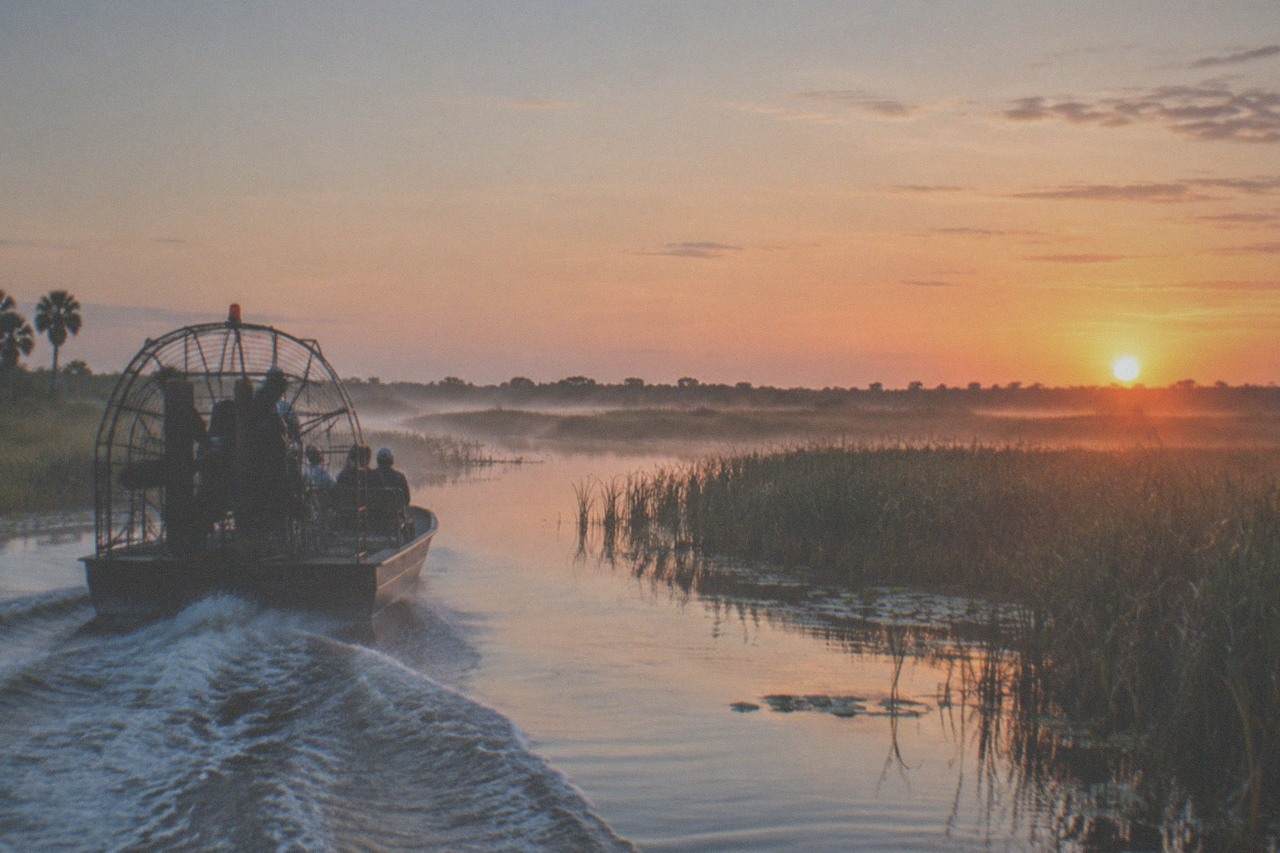
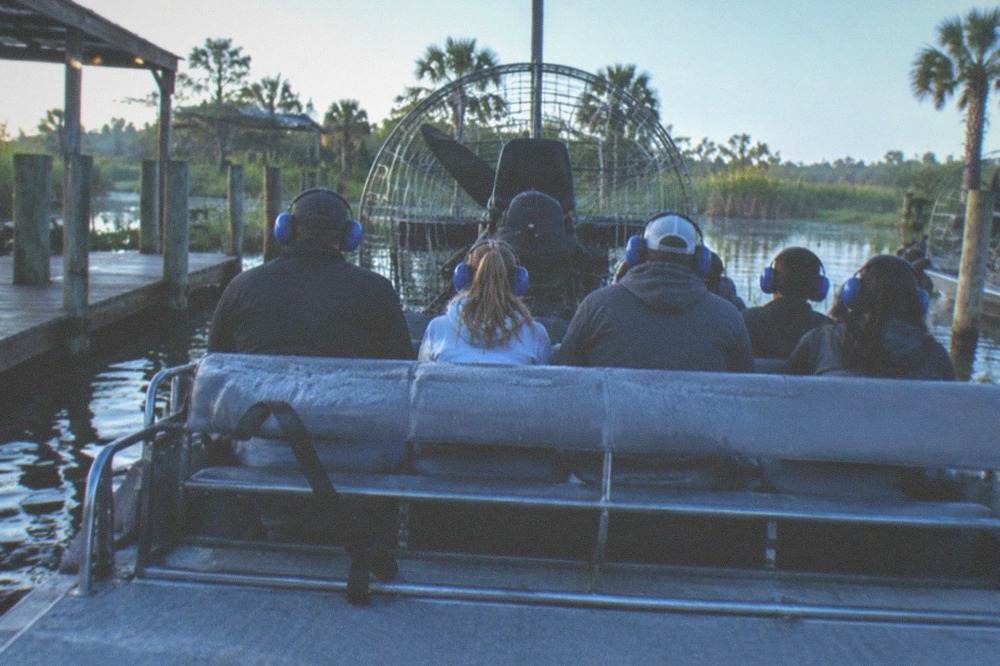
The front rows sit lowest and closest to the water, so they give the best wildlife views. The rear seats near the engine are loudest even with ear protection. Elevated seats beside the captain offer the widest photo sightlines. Pick the front for animals, the captain's side for photos, and the rear only if noise does not bother you.
This whole seating breakdown uses the Boggy Creek one-hour ride as its real-world example, 4.8 from 905 reviews, from $65.58 per person. See today's times before you pick a row.
Airboat seats are not created equal, and the differences matter more than most first-time riders expect. The bow sits inches above the water, the stern sits beside a roaring aircraft engine, and the seats next to the captain ride higher than both. The same one-hour route can feel like two completely different trips depending on which bench you land on, and once the boat pushes off, you are generally asked to stay where you were seated.
This guide breaks the question down row by row: where the animals are easiest to see, where the noise is worst, where photos work best, and where families with small children tend to be happiest. Examples come from real Orlando-area rides, including the Boggy Creek one-hour airboat tour near Orlando, which runs 1-hour departures from the Southport Road launch and holds a 4.8 rating across 905 reviews, from $65.58 per person.
Where Are The Best Seats For Seeing Alligators And Wildlife?
The best wildlife seats are the front rows of the bow, which sit lowest and closest to the water. Alligators, turtles, and wading birds concentrate along the banks and in the floating vegetation, and the low bow angle puts them at eye level instead of far below your sightline. Riders in the front also feel the spray of the marsh grasses and get the first look at animals before the rest of the boat spots them.
The physics are simple. An airboat hull rides on top of the water, and the front benches sit only a short distance above the surface. When a captain cuts the engine and drifts toward a basking alligator, the people in the bow are often within a few feet of the waterline, watching a reptile that is itself nearly at water level. From the back rows, the same animal sits below the heads and shoulders of everyone in front of you, and on a full boat the sightline can drop to almost nothing.
Birds are a different story. Herons, egrets, and ospreys flush from the grass as the boat approaches, and they usually lift off to the sides, so nearly every row gets a look at them. Still, the low front seats track them longer. The Lake Tohopekaliga area supports one of the larger local bald eagle populations, along with sandhill cranes, great blue herons, snowy egrets, wood storks, snail kites, roseate spoonbills, anhingas, and ibis, and the eBird hotspot checklist for Lake Tohopekaliga shows what birders have actually logged there this year.
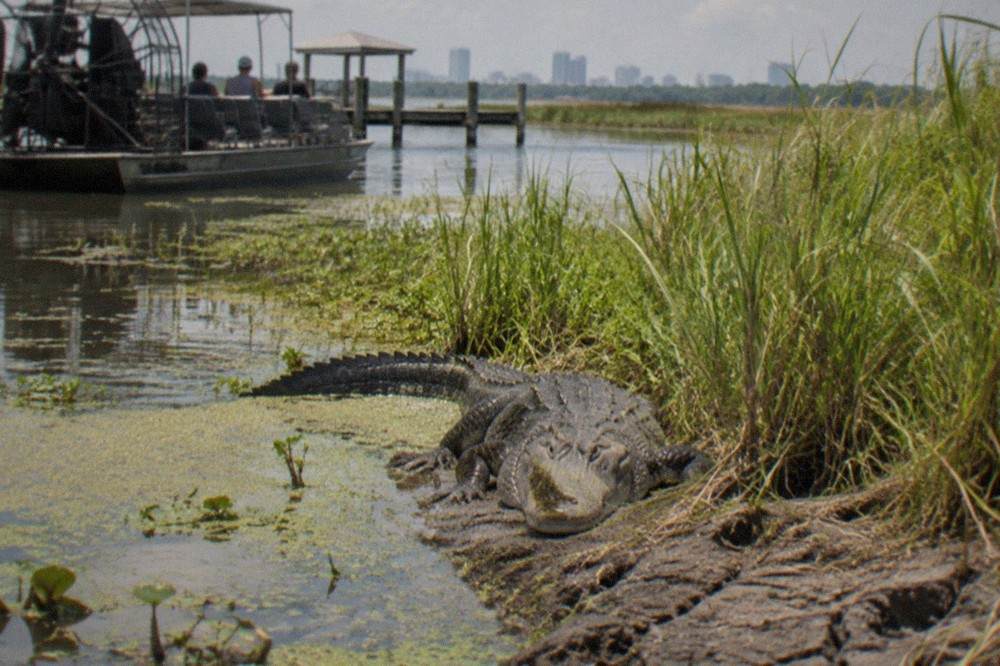
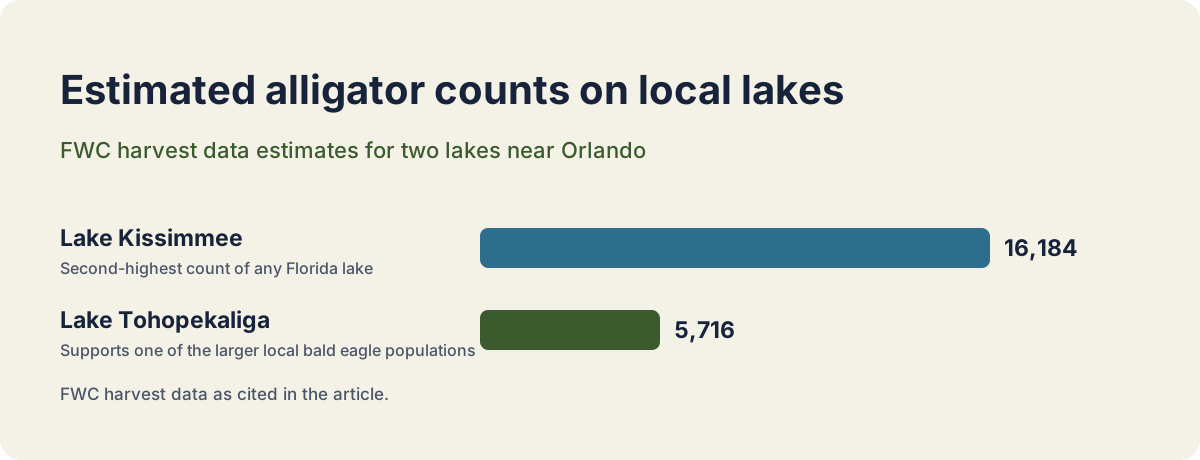
Sightings are common on these lakes but never guaranteed, and no honest operator promises otherwise. What the front row buys you is not a better chance that animals appear, it is a better view of the animals that do. FWC harvest data estimates Lake Kissimmee at roughly 16,184 alligators, the second-highest count of any Florida lake behind Lake Okeechobee, with Lake Tohopekaliga at around 5,716, so the odds of at least a few sightings on a given ride are good in most seasons.
If front-row wildlife viewing is your priority, mention it at check-in. Captains on rides like the one-hour Everglade airboat tour from Orlando seat guests in order of arrival, and the tour runs from $65 per person, so getting there early costs nothing extra. The listing shows a 4.8 rating from 35 reviews, a smaller review pool than the big Kissimmee operators, so treat that figure accordingly.
Which Seats Are The Loudest On An Airboat?
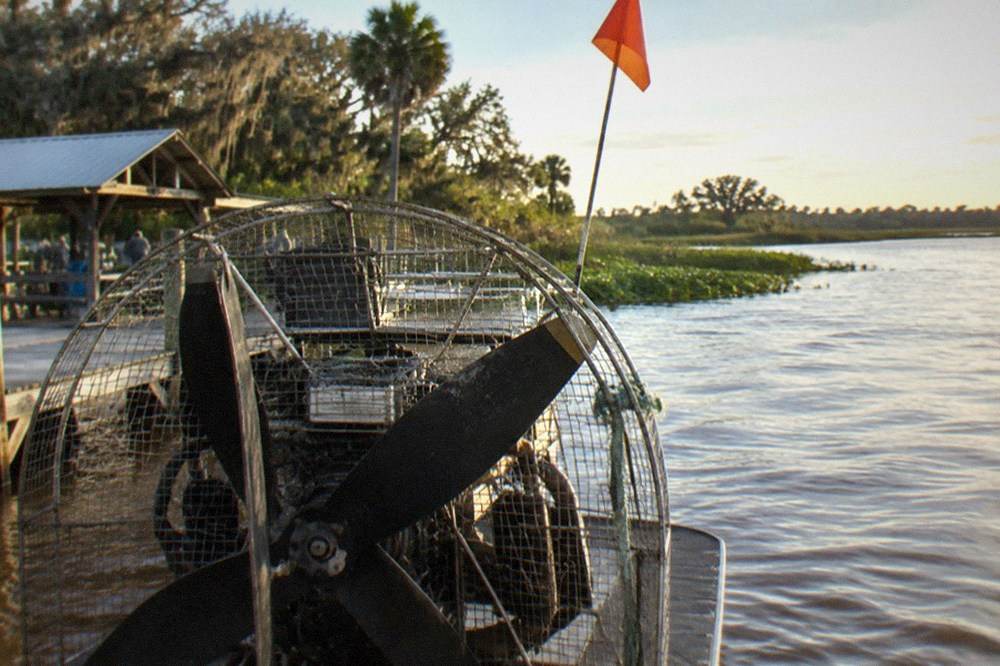
The rear seats closest to the engine are by far the loudest, even with ear protection. A large airboat is pushed by an aircraft-style engine mounted directly behind the back bench, and the sound pressure at the stern is dramatically higher than at the bow. Every operator on this roster supplies hearing protection as its own practice, but protection does not make the back row quiet, it makes it survivable.
Sound is the single biggest seat-related complaint on airboat reviews. The engine sits a few feet behind the last row, and riders there describe the ride as a sustained roar with wind added on top. The front rows hear the same engine, obviously, but distance and the boat's own structure soften it somewhat. Nobody rides an airboat for silence, yet the difference between the bow bench and the stern bench is real enough that families split up over it.
Ear protection is an operator-supplied item, not a state mandate. Florida law does not require passengers to wear hearing protection, and no statute forces a life jacket on adults. What the law does require is on the hardware side: under Florida Statute 327.391, every airboat must run an automotive-style factory muffler rather than bare cutouts or flex pipe, and must fly a mast-mounted international-orange flag, at least 10 by 12 inches, at least 10 feet above the boat's lowest point, visible from every direction. The FWC boating regulations page restates both rules in plain language.
| Seat zone | Noise level | Why |
|---|---|---|
| Front bow bench | High but softened | Farthest point from the engine, hull blocks some sound |
| Middle benches | High | Sound arrives from behind, wind moderate |
| Rear bench | Highest | Engine and propeller cage a few feet away |
| Captain-adjacent seats | High | Partial shielding from the windshield and console |
If you are noise-sensitive, or riding with a child who is, ask for a front or middle seat at boarding. If you have forgotten earplugs, say so before departure, every major operator hands them out at the dock. And if you want a quieter overall experience, a smaller boat helps: the small-group Florida Everglades airboat tour caps its passenger count lower than the large pontoon-style airboats, runs 90 minutes, and starts from $89 per person with a 4.8 rating across 1,372 reviews, the deepest daytime review pool on this roster.
Which Seats Give The Best Photos On An Airboat Ride?
The elevated seats beside the captain give the best photo sightlines, because they ride above the heads in front of you and look outward over the marsh without obstruction. The bow gives the most dramatic low, water-level shots but frames everything through the boat's occupants on a full ride. Serious photographers usually want the captain's side or the very front bench, not the middle.
There is a reason tour staff photographers, when a ride carries one, stand near the helm. The captain's seat sits on a raised console, so the two or three passenger seats flanking it inherit that height advantage. From there you can shoot over the crowd, catch the wide sweep of the marsh, and follow birds as they cross the sky instead of losing them below the boat's rim. You also see the captain's line, which is where the boat turns first, and turning moments are when alligators often slide off banks into the water.
The front bench trades height for intimacy. A wide-angle lens down there puts the water, the grass, and a gator's snout in one frame, and nothing blocks the shot except the spray. Middle benches are the hardest for photography: you are shooting past two rows of heads on both sides, and on turns the horizon swings fast enough to blur handheld frames.
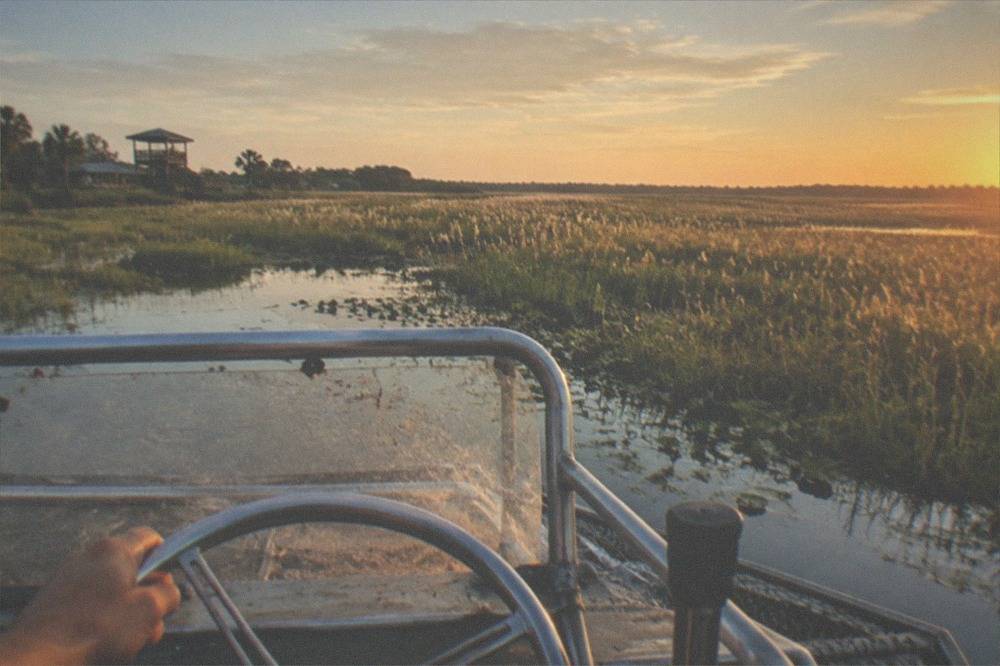
A few practical notes that apply from any seat. Keep your camera or phone on a strap, airboats bounce at speed, and items dropped over the side are gone. Shoot before the engine slows rather than during, because the slow drift approach is when animals are calmest but the light is lowest down low. And if golden-hour light is the goal, a sunset departure beats a noon one for color, whatever row you choose. The timing logic in our best time of day for an airboat tour guide covers that trade in detail.
For a photo-focused ride, a longer route helps more than any seat choice, because it gives the captain more chances to idle near wildlife. The northern Everglades one-hour airboat tour spends a full hour on the marsh, from $65 per person, giving photographers more drift-and-shoot windows than the shortest rides on the roster.
Front Or Back: How Do Airboat Seats Compare Overall?
Overall, the front bow is best for wildlife and immersion, the captain-adjacent seats are best for photos and stability, the middle is a compromise with the most blocked views, and the rear is best avoided unless you genuinely do not mind noise. Spray, bumps, and sightlines all vary by row, and the rear seats get the least of the first two and the least of the third. Most riders who ask for a specific seat ask for the front.
The comparison below is the short version of everything on this page. Weight it by what brought you out: families usually optimize for comfort and calm, photographers for sightlines, and wildlife watchers for the bow. The rest of the planning pages sit on Orlando Airboat Tours.
| What you care about | Best zone | Second choice | Zone to avoid |
|---|---|---|---|
| Seeing alligators up close | Front bow | Middle | Rear, if heads block the view |
| Quietest ride possible | Front bow | Captain-adjacent | Rear bench |
| Photography sightlines | Captain-adjacent | Front bow | Middle |
| Least wind and spray | Middle | Captain-adjacent | Front bow in turns |
| Smoothest ride over wakes | Middle to rear | Rear | Front bow |
| Space to stand up carefully | Captain-adjacent | None, standing is limited | Everywhere else |
Two honest caveats. First, standing during the ride is limited and only with the captain's permission, so "space to stretch" is a stretch, not a feature. Second, the smoothest ride is not the front: the bow takes the bumps first, which is part of why it is also the fun one. Our article on what to expect on an Orlando airboat tour covers the ride feel, boarding, and timing in more depth.
Where Should You Sit With Kids Or Motion Concerns?
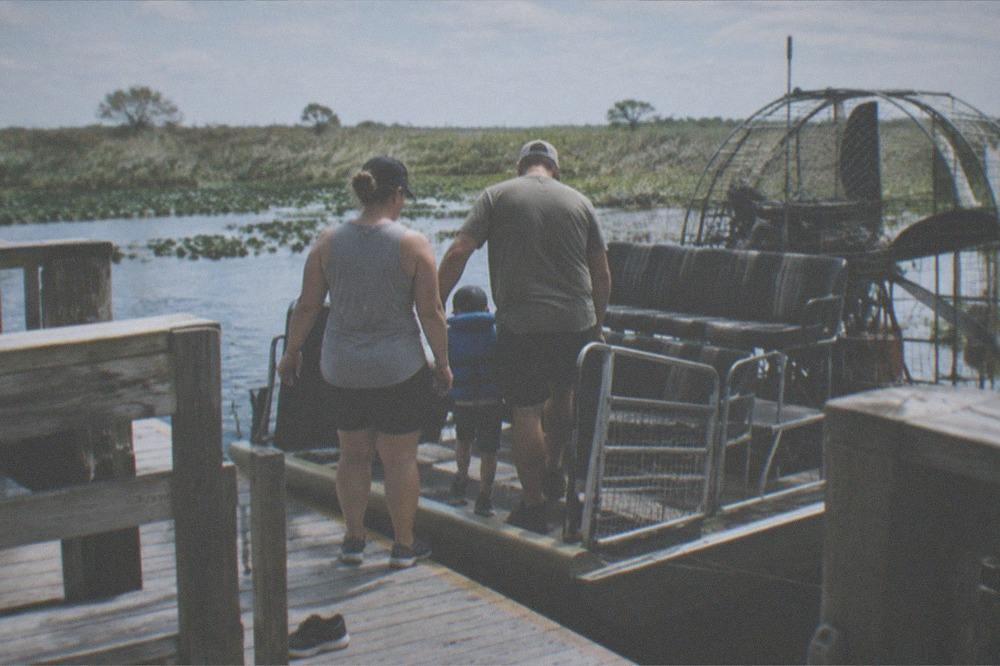
With small children, the middle benches are usually the best compromise: close enough to the front for good views, higher and steadier than the bow, and a short step from the captain if anything comes up. Infants and toddlers are typically seated with a life jacket per the operator's own policy, not a statewide rule, so state the child's age at booking and let the dock crew place you.
Each operator sets its own policy, and the real ones differ. Boggy Creek has no minimum age and requires a provided life jacket for children under 6, with infants under 3 riding free. Wild Florida has no age requirement and mandates a life jacket for ages 5 and under. Never assume a single rule covers every operator, because none does, and no verified weight limit exists for any operator on this roster.
Motion matters less on an airboat than people fear, but it is not zero. Airboats glide rather than pitch, and there is no chewing through waves like a v-hull, yet the bow can drop sharply when the boat crosses a wake or cuts into a shallow bank. Riders prone to queasiness usually do better in the middle, where the pivot point damps motion in both directions, than in the front, where every bank landing lands first.
For families, our airboat tours with kids in Orlando guide walks through age policies, life-jacket rules, and what to pack by operator. A well-reviewed default for a first family ride is the Boggy Creek one-hour airboat tour, which includes park admission, an alligator viewing area, hearing protection and life vests, and a butterfly garden on site, with free cancellation, from $65.58 per person.
Can You Switch Seats Or Stand Up During An Airboat Ride?
No, once the boat is underway you are asked to stay in your assigned seat, and standing requires the captain's explicit go-ahead, usually only during a stopped drift. Seats are assigned for weight distribution, which affects how the hull rides in water often only a few inches deep, so a mid-ride shuffle is a safety issue, not an etiquette preference. Ask for the row you want before boarding, not after.
This is the single most useful etiquette point on the page, and it is why the seat you choose at the dock is the seat you keep. An airboat's propeller pushes air, not water, and the boat slides sideways on turns in a way that surprises first-timers. A moving passenger shifts the center of gravity mid-turn, so crews are strict. If you want a photo from a different angle, ask during a stop, and most captains will let one or two people stand briefly near the helm while the engine idles.
Weight distribution also explains why large groups are sometimes split up, even when half the boat looks empty. The captain balances front-to-back load before departure, which is a good moment to make a request: pointing at a row and asking politely, before the manifest is set, works far better than negotiating after the engine starts.
On the subject of group behavior: the smaller the boat, the more each passenger's position matters. The small-group 90-minute Everglades airboat ride carries fewer passengers per departure, so every seat is a good seat, though the trade is a higher per-person price from $89 against the roster's cheaper shared rides.
Do Different Orlando Airboat Rides Have Different Seating?
Yes, seating differs by boat type and operator, not just by row. Large multi-bench airboats at the big Kissimmee operators seat a dozen or more in long rows, making row choice critical, while small-group boats seat fewer passengers and give everyone a clear line. What does not differ is the layout logic: front low, rear loud, captain high, on essentially every passenger airboat in Florida.
That last point is worth internalizing, because it makes this guide portable. Whether you book a 30-minute quick loop or a 90-minute small-group run, the bow is closest to the water, the stern is beside the engine, and the helm rides highest. If you learn the layout once, you can ask the right question at any dock in the state.
| Tour | Duration | From price | Rating and reviews | Seating character |
|---|---|---|---|---|
| Boggy Creek one-hour airboat tour | 1 hour | $65.58 per person | 4.8 from 905 reviews | Large multi-row airboat, row choice matters most |
| Small-group 90-minute Everglades airboat | 1.5 hours | $89 per person | 4.8 from 1,372 reviews | Smaller boat, fewer rows, clearer lines |
| Northern Everglades one-hour airboat tour | 1 hour | $65 per person | 4.8 from 35 reviews | Standard shared boat, arrive early for the bow |
One more angle on the choice: comfort. What you wear changes how any seat feels, especially the front, where wind and spray hit hardest. Our what to wear on an airboat ride guide has the layering and footwear specifics, and the short version is that the front row rewards a windbreaker more than any other row on the boat.
For riders who care mainly about a calm, roomy experience over pure wildlife proximity, the Boggy Creek one-hour ride near Orlando remains the easiest all-rounder on the roster: a big stable hull, an on-site wildlife park, and free cancellation from $65.58 per person.
Common Questions About Airboat Seating
Where's the best place to sit on an airboat?
The front bow seats, which ride lowest and closest to the water, are the best for wildlife viewing. The captain-adjacent seats, which sit higher, are best for photos. The rear seats near the engine are the loudest, even with ear protection, so avoid them if noise bothers you.
Is the back of an airboat loud?
Yes, the rear bench sits a few feet from the engine and is the loudest zone on the boat. Operators supply hearing protection as their own practice, since Florida law does not mandate it for passengers, but protection softens the roar rather than removing it.
Can you pick your seat on an airboat tour?
Usually, if you ask before boarding. Seats are assigned at the dock, often by arrival order, and crews balance weight distribution across the hull. Arrive early, request the front for wildlife or the captain's side for photos, and expect to keep that seat for the whole ride.
Where should kids sit on an airboat?
The middle benches are usually the best family compromise: steady, sheltered, and near the captain. Life-jacket rules for young children are set by each operator, for example Boggy Creek requires a provided vest under age 6 and Wild Florida under age 6, so state your child's age when booking.
Do the front seats get wet on an airboat?
They can. The bow rides inches above the water and takes the most spray, especially in turns and on gusty days. A light windbreaker solves most of it, and our what-to-wear guide covers the details.
Can you stand up or switch seats mid-ride?
Not generally. Crews ask passengers to stay seated underway for weight and balance, since the hull rides in shallow water where load distribution matters. Standing is sometimes allowed during a stopped drift, with the captain's permission.
Book Your Airboat Tour
Boggy Creek Airboat Adventures One-Hour Airboat Tour near Orlando, Florida
You've seen which row does what, from front-row wildlife to rear-row noise. Check today's times on the Boggy Creek one-hour ride now, and ask for the row you want before boarding, not after.
Or compare:
- 1 Hour Airboat Everglade Tour from $65 per person
- Small-Group Florida Everglades Airboat Tour (90 minutes) from $89 per person