What's The Best-Kept Secret Of Kissimmee?
Kissimmee's real secrets are older than its theme parks: a cattle-town waterfront on Lake Tohopekaliga, airboat marshes full of alligators and eagles, and a county that quietly out-earns most vacation destinations.
The secret this whole page is naming is a dock 35 minutes from Disney. See today's times for the ride that puts you on it before you plan the rest of the day.
Check Today's Times For The One-Hour Ride → Compare every tour
What's The Best-Kept Secret Of Kissimmee?
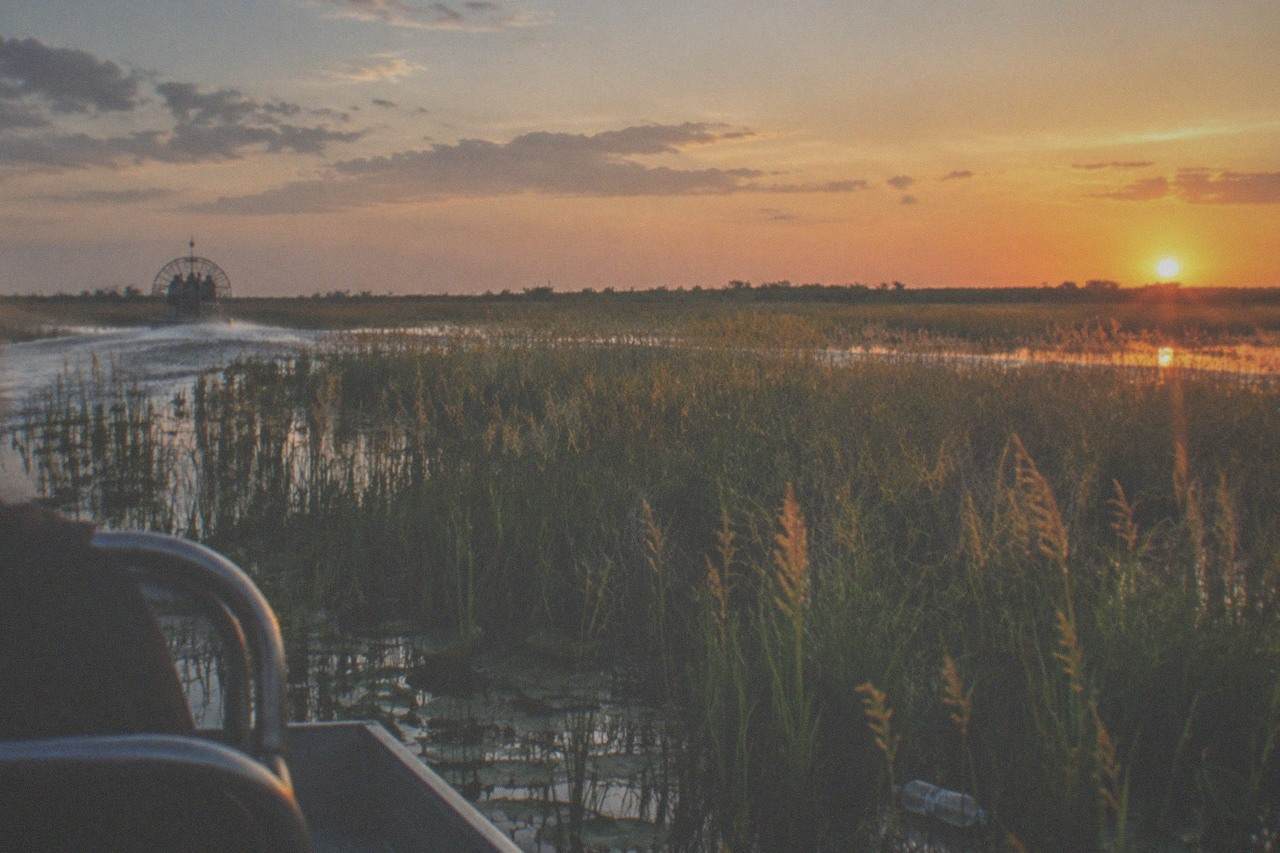
The best-kept secret of Kissimmee is the working waterfront it had before the theme parks arrived: Lake Tohopekaliga, its marshes and its airboat docks, where you can watch bald eagles, alligators and cattle-country history in the same hour, roughly 30 minutes from the Disney area and without a single queue.
Most itineraries treat Kissimmee as a bedroom, a place with a pool where you sleep between park days. That framing hides the older town underneath. Kissimmee sits on the northwest shore of Lake Tohopekaliga, a lake big enough to have its own alligator population estimate, and the marshes south of it run toward the Kissimmee River valley wetlands region. This is the Florida the brochures photograph and the interstate skips.
The secret is also practical. The launch area off Southport Road sits roughly 35 minutes from the Walt Disney World resort area, with free on-site parking, and rides like the one-hour Boggy Creek airboat tour put you on the water an hour after you leave your hotel. We cover how the pieces fit, from the drainage scheme that made the town to the drought conditions quietly reshaping the marshes right now.
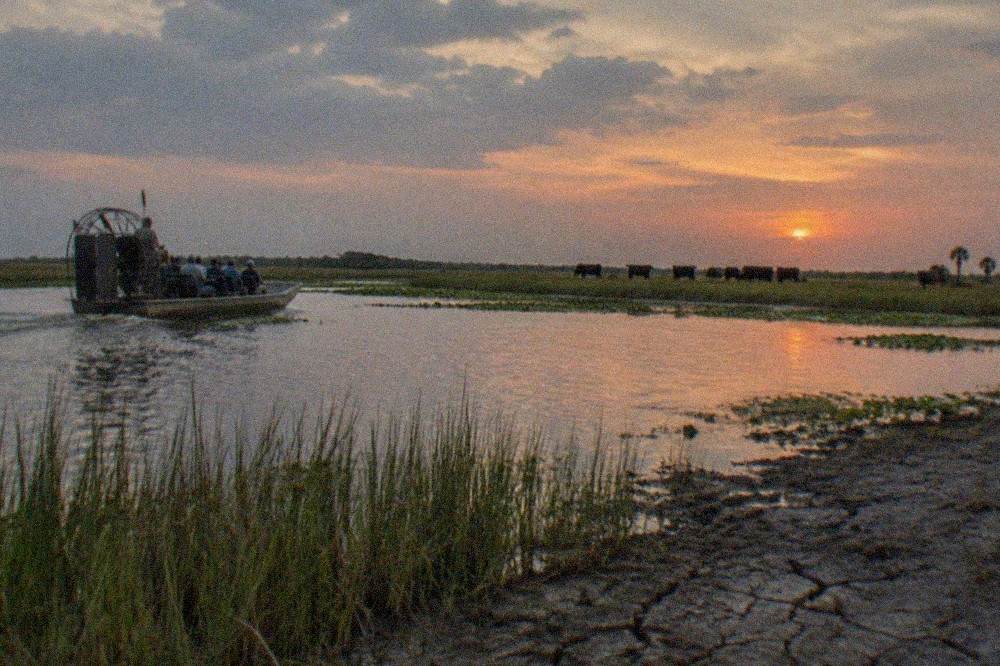
There is a reason this site exists at all. The airboat corridor is the one part of the Kissimmee tourist economy that runs on something the parks cannot manufacture: actual wilderness, minutes from the resort zone. If you want the fuller comparison between the two sides of the region, our Kissimmee versus Orlando airboat guide breaks down the launch geography in detail.
What Is The Oldest Story In Kissimmee?
Kissimmee was incorporated in 1883, but the story starts earlier with the pioneer settlement of Allendale on Lake Tohopekaliga's north shore. Hamilton Disston's 1881 land purchase drained the Kissimmee River valley, rescued Florida's finances, and turned a steamboat and cattle trading post into a real city. The cattle years still shape local identity.
Before the interstate, the lake was the highway. Steamboats ran the Kissimmee River chain, moving cattle and goods from the interior toward the coast, and the city grew as the trading post where that traffic changed hands. The city's own official history page keeps the record, including the detail most visitors never hear: Kissimmee was a genuine cow capital, and Osceola County still brands itself with that heritage.
The timeline is worth a table, because the town's identity got built in a handful of quick, decisive moves:
| Moment | What happened | Why it still matters |
|---|---|---|
| 1881 | Hamilton Disston buys roughly 4 million acres and begins draining the Kissimmee valley | The drainage made the lakes navigable and the land farmable, the act that created modern Osceola County |
| 1883 | Kissimmee incorporates as a city | The county seat of Osceola County, separate from Orlando's Orange County ever since |
| Steamboat era | Steamboat and cattle trading years peak on the lake chain | The lakefront downtown and the cattle-culture identity locals still claim |
| Modern era | Walt Disney World opens to the north and the US-192 tourist corridor builds out | The town's economy pivots toward visitors, but the lake stays wild |
The useful secret inside that history is the lakefront itself. Kissimmee's downtown still faces the water rather than turning its back on it, and the lakeside parks sit where the steamboat docks used to be. It is a working Florida town around a genuinely wild body of water, which is a rarer thing in central Florida than the outlet malls suggest. For more on what the area built its reputation on, see our piece on what Kissimmee is actually known for.
Where Can You See Wild Florida Without A Park Ticket?
Wild Florida sits minutes from Kissimmee's vacation homes, and most visitors never go looking for it. Lake Tohopekaliga carries an estimated 5,716 alligators and Lake Kissimmee roughly 16,184, the second-highest count of any Florida lake. Bald eagles, sandhill cranes and roseate spoonbills are routine sightings on the water, not zoo exhibits.
Those alligator figures come from the state's own harvest and population data, and they explain why the airboat operators cluster here rather than closer to Orlando's urban core. The birds are just as much of the story: the Lake Tohopekaliga hotspot checklist on eBird logs bald eagles, great blue herons, osprey, wood storks, snail kites and anhingas as regular entries. Local operators describe the bald eagle population around these lakes as among the larger ones in the world.
Sightings are common but never guaranteed, and every honest operator says exactly that. What you can count on is habitat. The marshes south of Southport Road are shallow, grassed and full of the warm edges where alligators bask in cooler months. From roughly November through April, cooler air pushes gators onto the banks to thermoregulate, which is why dry-season rides tend to deliver more visible wildlife than July afternoons.
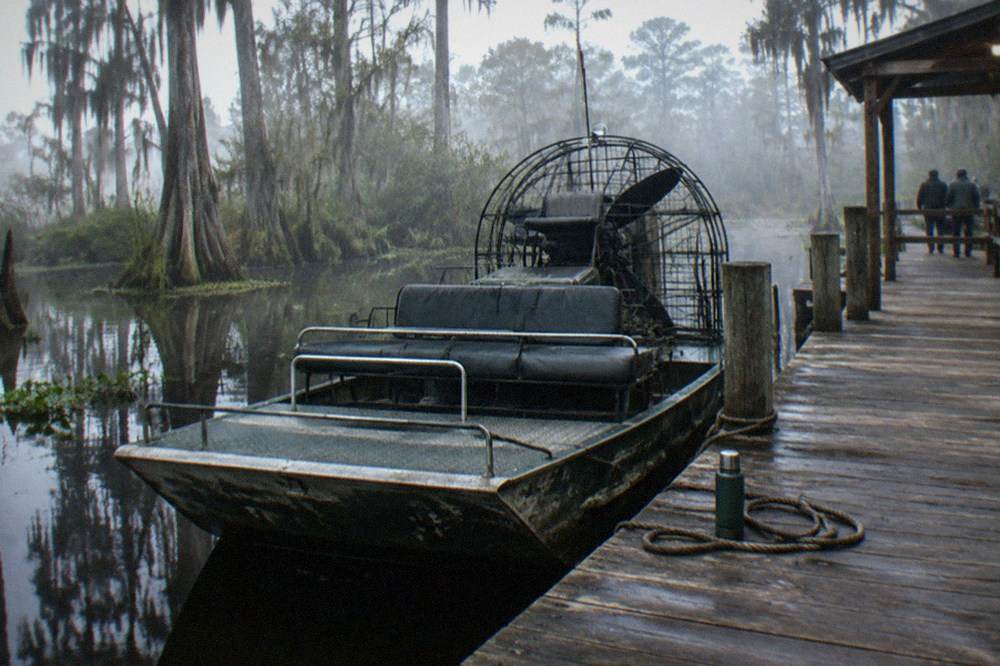
You do not need to drive an hour into the Everglades for this, either. Options like an airboat ride bundled with Wild Florida's gator park admission, from $37 per person and rated 4.8 from 2,790 reviews, combine the marsh ride with a walk-through wildlife park so the animal side of the day is covered even if the wild gators stay shy. If you are weighing the two styles of ride, our Everglades versus Orlando airboat comparison lays out the tradeoffs.
How Far Is The Water From The Parks?
The airboat country starts roughly 25 miles from downtown Orlando and about 35 minutes from the Walt Disney World area. The launch docks sit off Southport Road in Osceola County, past the last subdivision, where the pavement ends at Lake Tohopekaliga's marshes. Free on-site parking replaces the resort parking garages.
The distances surprise people who assumed the rides happen deep in the Everglades. From Orlando International Airport, the Boggy Creek launch area is roughly 30 to 31 miles, about 40 minutes of driving, often via the 417 toll road. From the Disney resort zone it is shorter in time than the drive between two parks on a crowded day. The rough numbers:
| Starting point | Distance to the Southport Road launch area | Typical drive time |
|---|---|---|
| Orlando International Airport | Roughly 30-31 miles | About 40 minutes |
| Walt Disney World area | Roughly 20 miles | About 35 minutes |
| Downtown Orlando | Roughly 25 miles | 30-35 minutes |
Times vary with traffic and tolls, but the shape of the trip is consistent: you leave the tourist strip, pass through real Osceola County, and the development thins out as you approach the lake. For visitors without a car, a half-day St. Johns River airboat safari with round-trip hotel pickup, from $109 per person and rated 4.7 from 50 reviews, removes the driving question entirely, since transport is part of the package.
One planning note that catches people out: no major hotel sits next to the launch site itself. The nearest named properties run several miles out along the US-192 and Poinciana corridors, Alhambra Villas sits roughly 6.4 miles away, so a morning ride usually means a short drive from wherever you are staying.
What Do Locals Know About The Southport Launch?
Boggy Creek Airboat Adventures departs from 2001 E Southport Road, and the site itself is half the secret: free parking steps from the ticket booth, a butterfly garden, an alligator viewing area, and rides from 30 minutes to a full hour. The one-hour tour, 4.8 from 905 reviews, runs from $65.58 per person with park admission included.
The Southport Road site works as a half-day outing rather than just a boat ride. Hearing protection and life vests are provided as part of the listing, children under 6 wear a provided life jacket under the operator's policy, and infants under 3 ride free, which is the kind of family math that does not show up on the park tickets. Arrive about 30 minutes early for the shorter rides; reservations are recommended and walk-ins fill first-come slots.
What the listing prices do not always make obvious is the bundle. The $65.58 figure on Boggy Creek's one-hour airboat tour includes park admission, the alligator viewing area and the butterfly garden, so the on-shore half of the visit is not an upsell. The operator's own gate bands run roughly $54 to $61 for a one-hour adult ticket depending on reseller, with discounted rates often below that, which is why comparing the live listing before booking pays off.
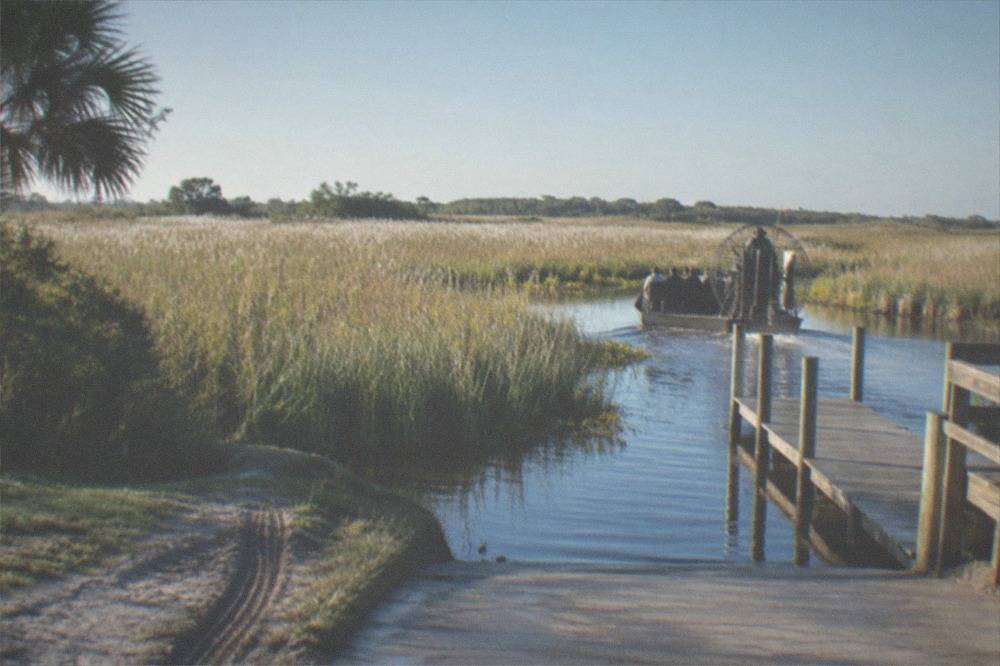
Sunset and night departures run from the same docks, and the golden-hour window is one of the two times, along with early morning, that operators themselves recommend for both wildlife activity and comfortable weather. If you are curious how the whole timing question plays out across the day, our best time of day for an airboat tour guide covers it in depth.
Why Is Kissimmee Not Actually Orlando?
Kissimmee is the county seat of Osceola County, a separate county from Orlando's Orange County, and the Census Bureau treats Kissimmee-St. Cloud as its own urban area. Central Florida drew a record 76.7 million visitors in 2025, and Osceola County alone generated roughly $7.3 billion in direct visitor spending. The airboat docks sit on the Osceola side.
The two-city confusion is one of central Florida's quiet running jokes, and it has real consequences for trip planning. Kissimmee is not Orlando's southern suburb; it is the seat of a different county, incorporated in 1883, historically a steamboat and cattle hub rather than a citrus and railroad town. The region's tourism office counts the counties separately for exactly this reason.
The economics behind the identity are worth knowing:
- Central Florida drew a record 76.7 million visitors in 2025.
- Osceola County accounted for roughly 12 percent of the region's $62.9 billion in direct visitor spending, about $7.3 billion.
- The county's total economic impact runs an estimated $10.6 to $11 billion, supporting around 40,000 to 41,000 jobs, more than a third of the county workforce.
- Kissimmee's own population sits near 85,591, with growth of about 8 percent since the 2020 census.
That scale is the reason Orlando Airboat Tours spends so much of its coverage on the Kissimmee corridor: the wilderness economics here are not a sideshow, they are a second destination sharing the same airport. For a deeper look at the split, our guide on things to do in Kissimmee besides Disney is built entirely around the non-park side of the county.
The practical takeaway for travelers is that county lines matter more than city names here. When the Census Bureau treats Kissimmee-St. Cloud as its own urban area, that is not a technicality; it reflects a genuinely distinct labor market, tax base, and tourism economy. A visitor booking a hotel in Kissimmee is paying lodging taxes to Osceola County, not Orange, and those revenues fund different infrastructure on different timelines. The same goes for the airboat docks, which sit on the Osceola side of the line and are served by the county's own tourism promotion apparatus.
The historical split explains a lot of the present-day geography. Kissimmee grew up as a steamboat and cattle hub, so its development pattern follows the lakes and waterways rather than the railroad corridors that shaped Orlando. That legacy is still visible in where the wilderness access points and ranch lands sit today, which is precisely why the airboat territory clusters on the Osceola side. For trip planning purposes, the distinction is simple: same airport, two counties, and two very different sets of things to do once you leave the parks behind.
What's Changing Around Lake Toho?
The land south of Lake Toho is changing fast. Osceola County's review committee approved a concept plan in September 2026 for more than 3,000 acres of the former Bronson ranch, potentially 30,000-plus homes plus a possible marina, tied to a future Southport Connector Expressway. The marshes will outlast the buildout, but the drive out will not stay empty forever.
Growth is the quiet backdrop to everything in this article. The Hedrick at Lake Toho, a 366-unit apartment project on Toho Grande Boulevard, is already under vertical construction with leasing targeted for the end of 2027. Turnpike interchange work tied to new master-planned communities is queued up for construction starting in late 2027. None of it touches the water itself, but the empty stretches between the tourist strip and the launch docks are filling in year by year.
There is a natural-world counterweight, too. A drought state of emergency was declared in February 2026, and by midsummer the Kissimmee chain of lakes ran below their regulation schedules, East Lake Toho roughly 1.4 feet low and Lake Toho roughly 1.0 foot low. Lower water concentrates wildlife in the remaining channels and can change which routes the boats run through shallower marshes. Operators adjust; the rides do not stop.
For visitors, the practical read is simple: the area around the marshes is a destination in transition, and the version you see on a hotel-pickup airboat safari or on a Kenansville park-and-ride combo is still recognizably the old Florida cattle country, just with more construction cranes on the horizon than the steamboat captains would have believed.
Common Questions About Kissimmee's Secrets
What Are The Best Kept Secrets Of Kissimmee?
The lakefront itself: Lake Tohopekaliga's marshes, the airboat corridor off Southport Road, and the cattle-town history of a city incorporated in 1883. Most visitors treat Kissimmee as a place to sleep between park days and never see the water that built the town.
Is Kissimmee worth visiting without theme parks?
Yes. The airboat rides, the lakefront downtown, and the wildlife around Lake Tohopekaliga fill a full day without a park ticket. Rides start from $37 per person for combos with wildlife park admission, and the launch area is about 35 minutes from the Disney zone.
How far are the airboat launches from Orlando?
The Southport Road launch area sits roughly 25 miles from downtown Orlando, 30 to 31 miles from the airport, and about 35 minutes by car from the Walt Disney World area. Free on-site parking is provided at the launch site.
Can you see alligators in Kissimmee year round?
Sightings are common in every season but never guaranteed. Lake Tohopekaliga carries an estimated 5,716 alligators and Lake Kissimmee roughly 16,184. Cooler, drier months from roughly November through April tend to bring more basking gators into view, and morning or sunset windows work best.
What is Kissimmee known for historically?
Steamboats and cattle. Incorporated in 1883 on Lake Tohopekaliga's shore, it grew as a trading post tied to Hamilton Disston's 1881 drainage of the Kissimmee River valley, and it remains the county seat of Osceola County, separate from Orlando.
Book Your Airboat Tour
Boggy Creek Airboat Adventures One-Hour Airboat Tour near Orlando, Florida
You've read the history, the wildlife odds and what locals actually know about the Southport launch. Check your date on the one-hour Boggy Creek listing now, before you plan the rest of the day around a slot that might already be booked.
Or compare: